
How to manage a holiday let well.
The operational reality, written by a team that does it every day. Use it yourself, or hand it to us.
- Practical, not theoretical
- Suffolk-specific
- Free appraisal available
- No obligation
Free · No obligation
Prefer we did it? Get a quote
Tell us about the property and we'll come back with an honest projection.
Running a holiday let is five jobs pretending to be one: marketing, revenue management, hospitality, cleaning logistics and property maintenance. Do all five properly and it is a genuinely good business. Do four, and the reviews find out.
1. Build a listing that sells
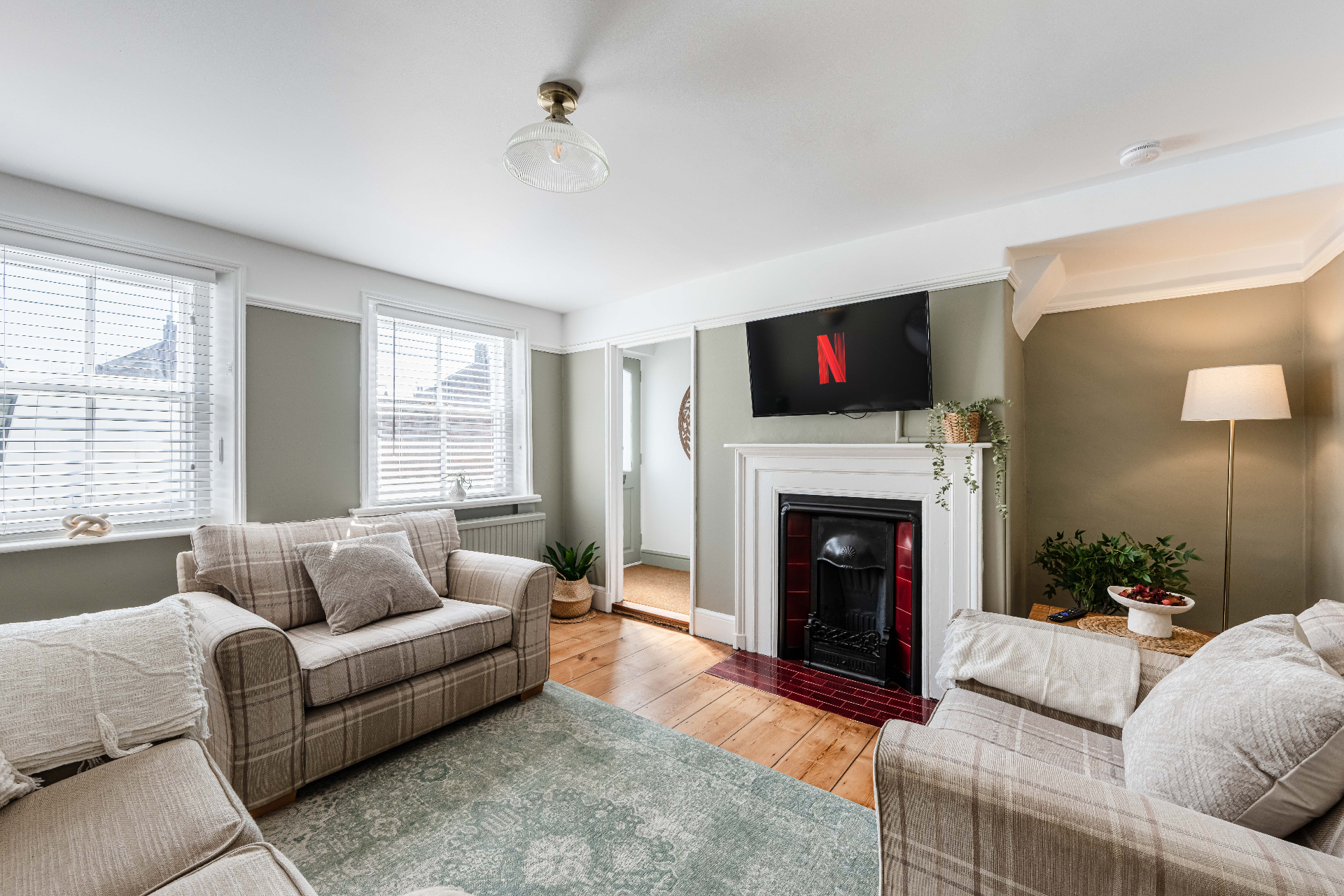
Professional photography is the single highest-return spend in this business. Shoot in good light, show every room, lead with the strongest image, and include a photograph of the thing that makes your property specific rather than generic.
Write the copy for the person searching, not for yourself. Distance to the beach, parking, dog policy, bed configuration and whether the wifi works for a laptop matter more than adjectives.
2. Price it daily, not annually
Set a base rate, then adjust for season, day of week, local events, school holidays, lead time and remaining availability. A property priced once in January will be too cheap in August and too expensive in November.
Use gap-night discounting to fill orphan nights, and set minimum stays that protect your changeover capacity in peak weeks.
3. Get the changeover right, every time
Cleanliness is the single most common cause of a bad review. Build a written checklist, photograph the finished property each time, keep two full sets of hospitality-grade linen per bed so a stained sheet is never a crisis, and never book back-to-back stays you cannot service.
4. Answer guests fast
Response time affects both platform ranking and review scores. Aim for minutes, not hours, and have a genuine plan for out of hours. Pre-arrival messages that cover parking, access and wifi remove most of the questions before they arrive.
5. Stay compliant
Gas safety certification, electrical condition, smoke and carbon monoxide alarms, fire risk assessment and furniture fire regulations, correct insurance for short letting, and confirmation that your mortgage and any lease permit it. Check the local position on short-let planning where you are.
6. Know when to hand it over
The honest test is simple. Add up the hours you spend per month, price them at what your time is worth, and compare that with a management commission plus the uplift a good manager would produce. For a lot of owners, particularly those who do not live nearby, handing it over is the cheaper option before you even count the weekends.

Why owners choose us
- Airbnb Superhost rated 4.97 stars
- No setup fees, no lock-in contract
- Local Suffolk team, real humans on the phone
- One clear monthly statement
Questions owners ask us
How do you manage a holiday let remotely?
It is possible with keyless entry, a reliable local cleaner, remote monitoring for noise and occupancy, and a maintenance contact you trust. What you cannot outsource remotely is judgement on the day something goes wrong, which is why most remote owners eventually use a local manager.
How much time does a holiday let take?
Expect several hours a week in quiet periods and considerably more in peak season, spread unpredictably across evenings and weekends.
What is the biggest mistake new owners make?
Underpricing peak weeks and overpricing shoulder season, followed closely by skimping on photography.
Do I need planning permission for a holiday let?
It depends on your local authority and how the property is used. Check with your council early, and take advice before committing to a purchase on the basis of holiday letting income.
Or let us run the whole thing.
Free, honest projection for your property within one working day.